Food delivery can offer flexible earning options. DoorDash provides on-demand work. This guide explains driver requirements, signup, daily responsibilities, earnings, taxes, and insurance. It also covers practical preparation for many new drivers.
Who Can Drive for DoorDash? Understanding Basic Requirements
DoorDash applicants must meet basic eligibility rules. Knowing these conditions can reduce application delays.



Minimum Age to Become a DoorDash Driver
DoorDash requires drivers to meet the minimum age. Age rules reflect legal and insurance requirements. Applicants should confirm the local requirement before signing up.
Vehicle Eligibility: Cars, Bikes, and More
Vehicle options can be fairly flexible. Some cities permit cars, bicycles, scooters, motorcycles, or walking. The best vehicle choice depends on distance, traffic, and local availability.
Background and Driving Record Screening
Applicants generally complete a background check and driving-record review. Serious traffic offenses or certain criminal convictions can affect approval. Exact screening standards depend on location and individual circumstances.
Document and Identification Needs
Drivers need valid identification and may need insurance, vehicle, or work-eligibility documents. Missing or expired paperwork can delay approval. Keeping required documents organized can simplify signup.
Smartphone Compatibility
A smartphone is needed because the Dasher app supports deliveries. It works on supported iOS and Android devices. Checking compatibility can prevent technical problems before starting.
The DoorDash Application Process: A Step-by-Step Overview
The DoorDash application is mostly online and straightforward. Verification, screening, and local availability can affect processing time.
Creating a Dasher Account
Signup usually begins through the official DoorDash driver portal. Applicants enter basic information and follow onboarding steps. Registration can be completed on a computer or supported smartphone.
Entering Required Personal Information
Applicants provide personal information including name, address, and contact details. In the United States, a Social Security number may be requested. Accurate entries help prevent verification issues.
Submitting Consent for Background Check
Applicants digitally authorize a background screening during signup. Processing varies by location and volume. This can create a significant waiting period.
Selecting Your Preferred Vehicle Type
Applicants choose their delivery vehicle during registration. Cars may require insurance, license, or vehicle details. Bicycle or walking options may exist only in specific markets.
Uploading Required Documents
Applicants upload requested records such as identification, licenses, insurance, or other forms. Images should be readable, complete, and current. Unclear files can cause approval delays or additional review.
Completing an Orientation (Optional in Some Regions)
Some locations may provide or require an orientation session. Training can explain the app, delivery practices, and safety policies. Requirements and formats can vary by region.
Activating Your Dasher Account
Approved drivers receive activation details through email or the app. They may schedule deliveries or use “Dash Now.” Access can depend on local demand and availability.
Key Responsibilities and What the Day-to-Day Looks Like
Delivery work involves more than transporting food. Knowing common responsibilities can help drivers prepare for real situations.
Picking Up Orders Safely
Busy restaurants can make drivers feel rushed during pickups. Checking the customer, order, and instructions helps reduce mistakes. Patience supports safer handling and accurate deliveries.
Communicating with Customers
Drivers may need customer communication when addresses are unclear or restaurants are delayed. App tools can provide updates or request information. Clear messages make delivery problems easier to resolve.
Navigating Delivery Zones
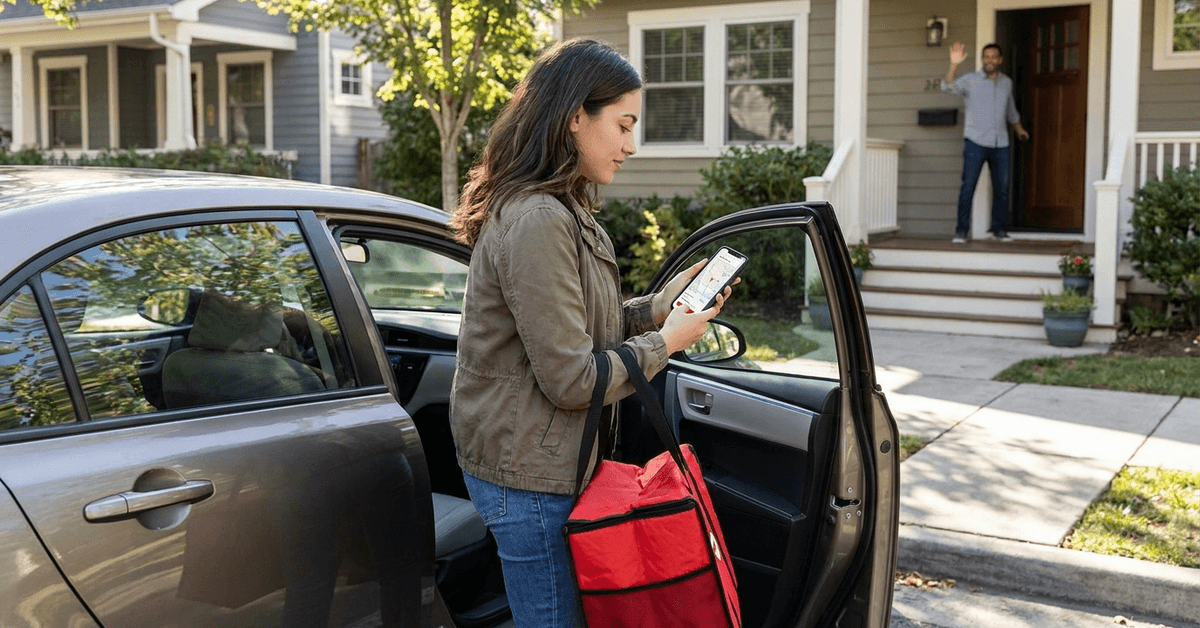
Some areas have heavy traffic, difficult parking, or confusing streets. Reviewing routes before a shift can save time. Local familiarity gradually improves navigation efficiency.
Handling Unexpected Issues
Drivers may face missing items, delays, unclear instructions, or inaccessible entrances. Experience makes these problems easier to manage. Preparation with an insulated bag or phone charger supports smoother deliveries.
Earnings Potential and Payout Structure for DoorDash Drivers
DoorDash driver pay varies by offers, tips, promotions, and location. Understanding payouts helps drivers set realistic expectations.
Base Pay and Incentives
DoorDash provides base pay for delivery offers. Drivers may also see Peak Pay or Challenges when available. Promotions can increase earnings during specific periods or areas.
Tipping Practices
Customers can provide delivery tips through the platform. Tip amounts vary, so daily earnings can change considerably. Personal targets may help drivers manage income expectations.
Weekly and Instant Payout Options
Drivers receive earnings through scheduled payouts to an eligible method. Faster payout options may be available under certain conditions. Reviewing settings helps clarify payment timing and fees.
Important Considerations: Taxes, Insurance, and Platform Policies
Administrative responsibilities can be overlooked. Because drivers are generally independent contractors, taxes, insurance, and platform policies matter.
Independent Contractor Status
DoorDash drivers are generally independent contractors rather than employees. Taxes may not be withheld like regular payroll income. Drivers should understand local tax rules applying to their earnings.
Self-Employment Taxes and Record-Keeping
Drivers may need to handle self-employment taxes and reporting. Tracking mileage, fuel, earnings, and eligible expenses simplifies records. Organized information can reduce tax-season problems later.
Insurance Coverage
Drivers should check whether auto insurance covers delivery work. Additional or commercial coverage may sometimes be needed. DoorDash may provide certain protection during active deliveries, but coverage details vary.
Tips for a Smooth DoorDash Driver Experience
Preparation can reduce first-shift problems and make deliveries easier. These habits can support a smoother start.
- Know local hotspots: Learn restaurants and neighborhoods that may produce frequent orders.
- Keep essential supplies: Carry a charger, sanitizer, insulated bag, and water for longer sessions.
- Learn the app gradually: Scheduling, pickups, and navigation become easier with regular use.
- Double-check addresses: Confirm apartment numbers, entrances, and customer instructions before leaving.
- Watch vehicle costs: Compare earnings with fuel, maintenance, and parking to understand actual profit.
- Plan around busy periods: Lunch, dinner, weekends, and events may create more delivery activity.
- Protect your phone battery: Navigation can drain power quickly, so keep a charger available.
- Check restaurant instructions: Pickup areas, parking rules, or procedures can save time.
- Organize stacked orders: Keep orders clearly identified to reduce mix-ups.
Conclusion
Becoming a DoorDash driver involves meeting basic requirements, completing screening, and preparing for deliveries. Understanding earnings, taxes, insurance, and responsibilities can make the starting process easier.
Practical preparation helps drivers manage navigation, communication, and unexpected issues. Reviewing each step beforehand provides a clearer picture of DoorDash delivery work.