Delivering with Deliveroo offers flexible income with control over working hours. This guide explains the courier role, requirements, application, and first shifts.
It also covers earnings, taxes, insurance, and other platforms. You will get a practical overview before applying.


Understanding the Role: What Does a Deliveroo Courier Do?
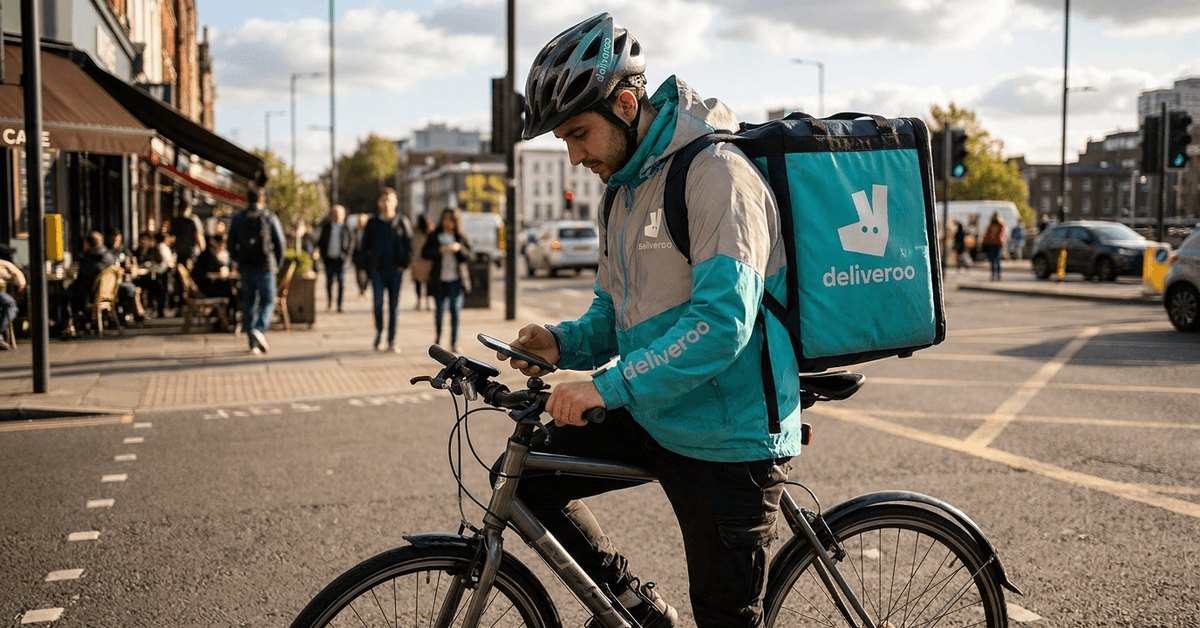
Deliveroo couriers collect restaurant orders and deliver them through an app-based system. Depending on local rules, they may use bicycles, scooters, motorcycles, or cars while working around local neighborhoods.
Why Many Choose to Deliver with Deliveroo?
People consider Deliveroo driver jobs for flexibility and independence. The work can fit around studies, jobs, childcare, or other responsibilities.
Flexible Schedule and Independence
Couriers can often choose when to work. This schedule flexibility can suit other commitments. Many value greater control over their time.
Competitive Earnings Potential
Earnings depend on demand, distance, time, and location. Busy periods may bring extra incentives or more orders during stronger local order periods. Because conditions change, weekly earnings can vary.
Simple Application and Onboarding
The application is generally completed online with personal details and documents. This digital process can suit people new to gig work. Missing information can still delay screening or approval before the final account review.
Eligibility Requirements for Applying to Deliveroo
Applicants must meet basic requirements before starting deliveries. Conditions vary by country, city, and vehicle for the selected delivery method.
Age and Documents
Applicants should confirm the minimum age and prepare identification. Motor vehicle users may need a valid driving license.
- Minimum age is usually 18 years old.
- Applicants need valid ID and, for vehicles, a driver’s license.
Equipment and Phone
Couriers need delivery equipment and a compatible smartphone. Vehicle options depend on local rules.
- Access to a bicycle, scooter, or car, depending on rules.
- Own an iOS or Android smartphone to run Deliveroo’s app.
Legal Permissions
Applicants need the right to work where they deliver. Eligibility can depend on citizenship, residency, visas, or permits.
Right to work in the country, mostly supported by existing visas or permits.
Step-by-Step: The Deliveroo Application Process
The sign-up process is usually completed online, with local support sometimes available. Processing times vary by applicant and location before riders can begin working.
1. Online Registration
Registration starts on Deliveroo’s website with personal and vehicle details. Providing accurate information can reduce corrections. Applicants should review entries carefully.
2. Uploading Documents
Applicants need clear documents confirming identity and work eligibility. Requirements differ by country and vehicle.
- Proof of ID, such as a passport or national ID card.
- Driver’s license if using a motor vehicle.
- Proof of right to work.
Deliveroo’s support pages can provide useful guidance if something is unclear.
3. Equipment and Insurance
Some cities require car or scooter couriers to show insurance. Checking insurance rules can prevent problems before active delivery work starts. Applicants should understand local requirements.
4. Background Checks
Background screening may apply in certain markets. These verification checks can confirm identity and eligibility. Waiting times can vary.
5. App Activation and Training
After approval, applicants receive rider app access instructions. Training may include video guides, tutorials, safety information, or tips. Reviewing them can ease the first shift and improve early app familiarity.
6. Kit Collection
Couriers may receive a thermal bag, jacket, or other equipment. The delivery kit may be collected or shipped. Personal equipment may be allowed, while branded gear helps identification.
Top Suggestions for Smoother Deliveroo Applications
Small mistakes can create unnecessary delays during application. Preparing documents and checking messages can help.
- Prepare digital documents in advance, ensuring photos and scans are clear.
- Check requirements for your delivery mode on Deliveroo’s country page.
- Read confirmation emails because they may contain time-sensitive details.
- If communication seems slow, politely follow up after a reasonable period.
What to Expect After Approval: First Deliveroo Shifts
Starting deliveries involves a short learning period. New couriers must learn busy areas, collections, drop-offs, and demand patterns.
- Locate busy zones using information available in the rider app.
- Practice order pick-up and drop-off procedures before peak times.
- Expect occasional slow periods because demand can fluctuate.
- Contact support when unsure through available in-app options.
Practical Tips for Maximizing Earnings with Deliveroo
Earnings depend partly on demand and outside factors. Still, efficient habits around timing, routes, and equipment can help throughout a typical delivery session.
Identifying Peak Times
Food delivery demand often rises during evenings and weekends. Some areas may have busy mornings with breakfast orders. Testing periods can reveal stronger demand.
Optimizing Routes
Learning roads and shortcuts can save time. Better route knowledge may help avoid congestion. Different neighborhoods may be easier to navigate.
Maintaining Reliable Equipment
Dependable vehicles and smartphones can reduce interruptions. Regular equipment maintenance matters for frequent couriers. A charger, lights, and repair tools can help.
Tax and Legal Considerations for Deliveroo Couriers
Tax and employment rules differ by market. Understanding local obligations can simplify reporting, tracking, and insurance before completing yearly tax filings.
Registering as Self-Employed
Independent couriers may need self-employment registration. Checking government guidance can clarify registration. A tax professional may help.
Tracking Your Earnings and Expenses
Tracking income, fuel, repairs, and mileage can simplify taxes. A simple record can use an app, spreadsheet, or notebook. Regular tracking prevents rebuilding months later.
Insurance and Liability
Vehicles may have commercial insurance requirements. Checking liability coverage clarifies required protection. Coverage depends on vehicle, location, and delivery activity.
Comparing Deliveroo with Other Food Delivery Platforms
Applicants may compare delivery platforms before choosing where to work. Payment, coverage, and app features differ across Deliveroo, Uber Eats, DoorDash, and Just Eat.
| Platform | Main Benefit | Active Cities | Payment Frequency |
|---|---|---|---|
| Deliveroo | Strong in UK & Europe | Hundreds | Weekly |
| Uber Eats | App familiarity | Global | Weekly/Instant |
| Just Eat | Established base | Mainly Europe | Varies |
Common Questions About Applying to Deliveroo
Applicants have common questions about schedules, breaks, gear, and earnings. Local rider terms remain important because policies vary as local rider conditions change.
- Is there a minimum number of shifts per week? Not generally. Many riders can choose how much or how little they work.
- What happens if I need time off? Taking breaks is typically easy, although local account rules may differ.
- Do I have to wear Deliveroo branded gear? It is usually suggested for identification, but enforcement can vary.
- Are earnings guaranteed? There is no fixed wage, although incentives may apply during high-demand periods.
Conclusion
Applying to Deliveroo means meeting local requirements, preparing documents, and completing onboarding. Flexible scheduling helps, but earnings, taxes, and insurance vary by location. New couriers benefit from learning peak periods, maintaining equipment, and tracking income.
Reviewing official requirements helps applicants decide whether Deliveroo suits their goals before starting regular delivery work.