Flexible income opportunities have expanded, with services like Wolt part of this shift. This guide explains courier duties, requirements, registration, earnings, challenges, and tips.
It is for students, part-timers, gig workers, and other applicants. It offers balanced guidance to help you assess whether Wolt suits your goals.



What Does a Wolt Delivery Partner Do?
A Wolt courier delivers food, groceries, and small packages from partner businesses to customers. Partners use the app to accept tasks, navigate, collect orders, and deliver.
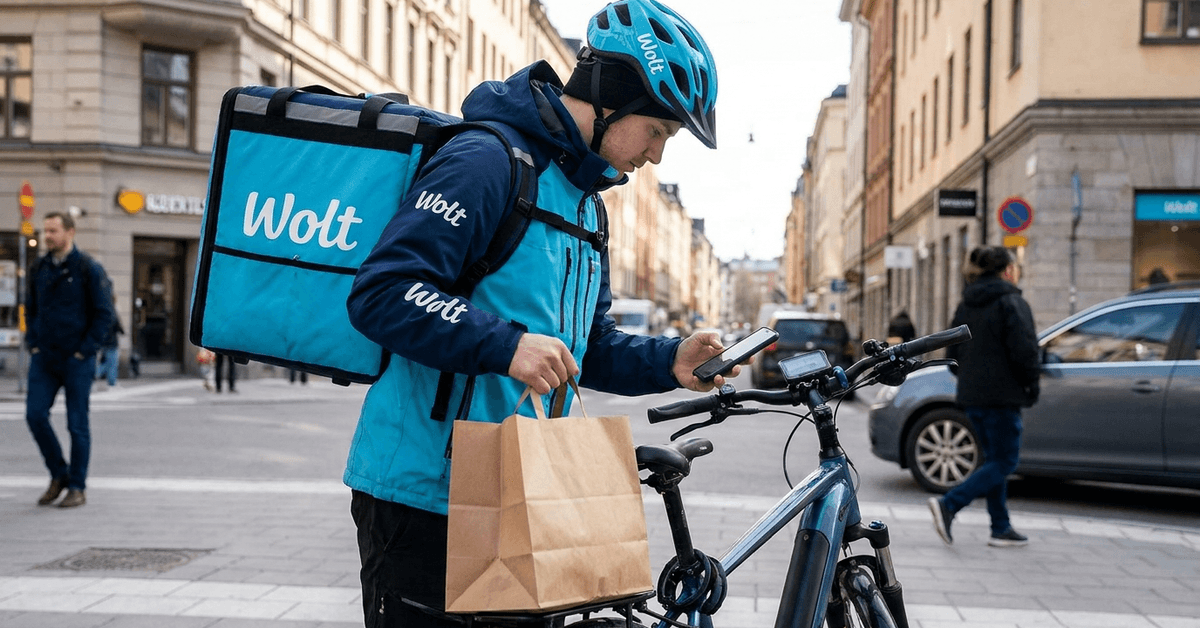
The work can be highly flexible, with some partners delivering only a few hours. Others work afternoons or evenings for more opportunities. Routes vary because couriers visit different places.
Key Requirements to Join Wolt as a Courier
Requirements depend on the country, city, and delivery method. Applicants should check local conditions before registration.
Eligibility Criteria
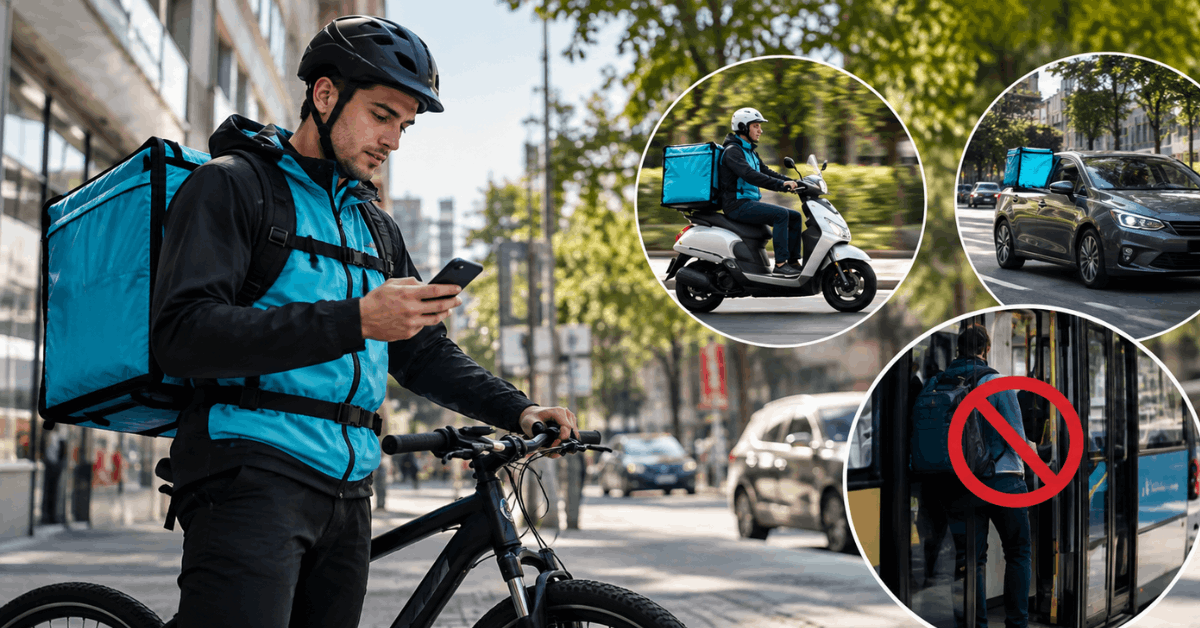
Partners must meet the legal adult age in their country. A compatible smartphone is needed for the Wolt Partner app. Reliable transport, such as a bicycle or motor vehicle, is essential.
Vehicle Requirements
Bicycles are common because they offer traffic flexibility. Some locations allow scooters or cars under local rules. Public transport may not be permitted for delivery.
Legal and Insurance Obligations
Applicants need valid identification and required work permits. Vehicle insurance may be necessary when using a scooter or car. Partners remain responsible for legal, health, and insurance obligations.
The Step-by-Step Process to Register with Wolt
Registration usually begins online and continues through document review and digital onboarding. Requirements vary, so applicants should follow instructions.
1. Sign Up Online
The process usually starts through the official Wolt website or courier page. Applicants enter details and confirm their city. Wolt uses this information to assess local eligibility and availability.
2. Upload Documentation
Applicants upload identification and required vehicle documents. A driver’s license may be needed for motorized vehicles, while some markets request a profile photo. Documentation differs by location.
3. Complete the Onboarding
After document review, Wolt may provide online onboarding or digital training. Materials explain the Wolt Partner app and delivery procedures. They may cover communication, order handling, and professional expectations.
4. Receive Your Starter Pack
Where required, Wolt may provide branded delivery gear, including a bag or jacket. Arrangements vary by location. Partners may collect equipment or receive it by mail.
5. Start Delivering
After setup, partners can access the app and begin accepting delivery orders. Couriers generally choose when to go online. This flexibility attracts people to platform delivery work.
Reasons Many Choose Wolt Over Competing Platforms
Some couriers value Wolt’s app experience, flexible scheduling, and support options. Earnings and experiences still differ between locations.
User-Friendly App
Feedback often describes the Wolt Partner app as easy to navigate. Features may include navigation, order instructions, and delivery details. A clear workflow helps couriers manage tasks.
Competitive Pay and Incentives
Delivery pay may include a base delivery amount and local components. Some markets offer bonuses during busy periods. Rates vary by city, season, demand, and hours.
Respectful Community
Couriers can contact customers and the Wolt support team when issues arise. Support may be available through in-app chat or local channels. Assistance can help during unfamiliar situations.
Potential Drawbacks or Realistic Challenges
Delivery work includes practical challenges affecting comfort, consistency, and earnings. Weather, demand, and physical effort should be considered before relying on the platform.
Weather Dependence
Cycling can be comfortable in mild conditions, but rain, wind, or cold makes work harder. Some couriers use waterproof clothing or equipment. Others reduce their hours during difficult weather.
Variable Demand
Order volume changes by day and season. Slow periods may involve waiting, while busy periods create opportunities. Because demand fluctuates, earnings can be difficult to predict.
Physical Demands
Cycling or walking for hours can be physically demanding. Fatigue or soreness may develop after repeated shifts. Breaks, hydration, and equipment can make the workload manageable.
Estimating Earnings and Managing Payout Expectations
Wolt earnings depend on location, demand, distance, incentives, and working patterns. Informal reports may not reflect every partner’s results.
Typical Delivery Fees
Wolt may pay a base fee per delivery, with additions depending on local factors. Earnings vary between countries, cities, and periods. Part-time couriers may find more opportunities during meals.
Payment Frequency
Payout schedules vary, although bank payments are common in many markets. Some regions may provide faster withdrawals. Careful budgeting matters when relying on delivery work as main income.
Taxes and Accounting
Partners may work as independent contractors or under another local arrangement. Taxes may not always be withheld automatically. Tracking income, receipts, equipment costs, and expenses can simplify reporting.
Tips and Insights from Existing Wolt Partners
Experienced couriers often emphasize timing, preparation, and navigation for smoother work. These habits can help manage delivery challenges.
- Work peak hours, especially lunch and evening periods, when demand may be higher.
- Use reliable navigation apps together with local knowledge.
- Keep your phone charged and carry a lightweight power bank.
- Communicate politely with customers and provide clear updates.
- Choose suitable clothing, including waterproof shoes or gloves for poor weather.
How Wolt Delivery Compares to Other Gig Platforms?
Wolt operates alongside Uber Eats and DoorDash with similar delivery models and sign-up processes. Differences include app design, demand, payout rates, supported vehicles, support, and bonuses.
Some couriers use multiple platforms to fit their routine. This requires extra coordination and careful scheduling.
Essential Equipment for Wolt Couriers
Suitable equipment can improve comfort and efficiency during deliveries. Needs depend on transport, weather, and hours worked.
Useful Everyday Gear
A phone mount, power bank, insulated bag, and suitable clothing can help. Cyclists may also use lights, reflective gear, and repair tools. Practical equipment can reduce delays and discomfort.
Understanding Delivery Costs
Delivery income should be considered alongside operating expenses. Fuel, maintenance, mobile data, insurance, and equipment can reduce take-home earnings.
Tracking Work Expenses
Simple records reveal actual earnings after costs. Drivers may track fuel, repairs, parking, and insurance. Cyclists may record maintenance and gear expenses.
Conclusion
Wolt delivery can offer flexible work for people meeting local eligibility, documentation, and transport requirements. Registration is generally straightforward, but earnings, demand, expenses, and conditions vary by market.
Understanding taxes, insurance, weather, and physical demands can set realistic expectations before starting. Official local information can help you decide whether Wolt delivery fits your schedule and goals.