Delivery jobs attract people seeking extra income and flexible work. Uber Eats is a popular app-based delivery option.
This guide covers requirements, signup, daily work, earnings, payments, safety, and legal considerations. It also gives practical tips for getting started.


Why Uber Eats Delivery Jobs Remain in High Demand
Food delivery attracts workers who value flexible schedules and simple entry. Demand and earnings vary by location.
Flexible Hours That Suit Most Lifestyles
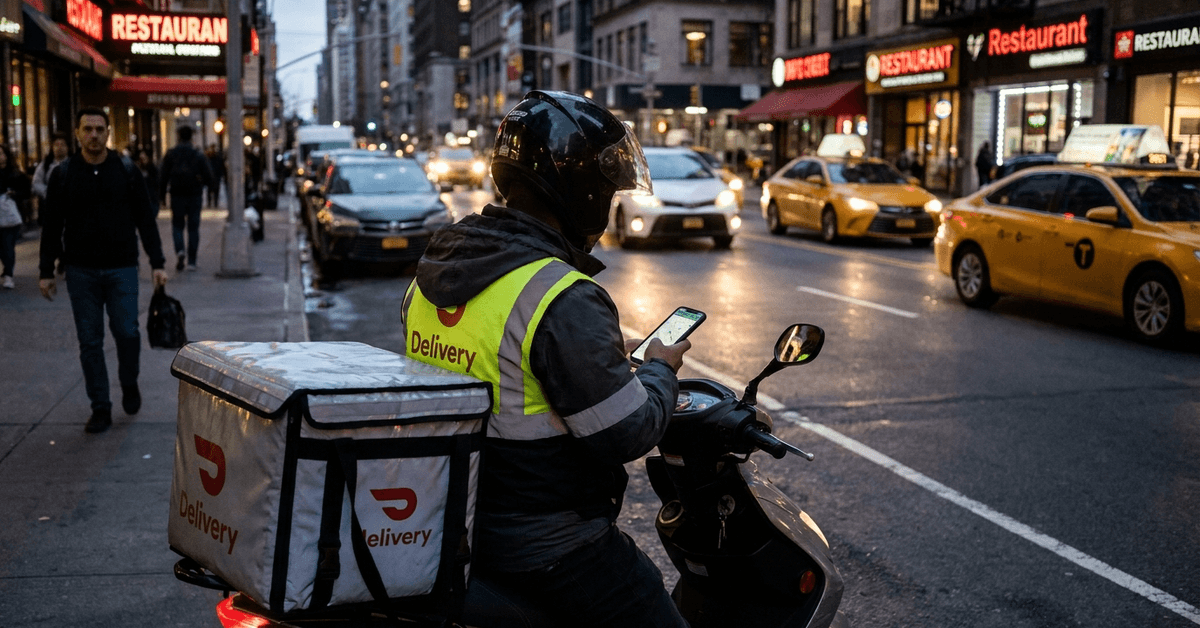
Couriers can generally choose when to go online. Many workers fit deliveries around existing routines. This schedule flexibility suits many lifestyles.
Low Barrier to Entry
The application process is usually fairly simple. Suitable transport and a smartphone may be enough. Age, licensing, insurance, and background requirements can still apply.
Earning Potential and Promotions
Couriers receive delivery pay, while extra promotions may appear. Tips can also increase earnings where available. Daily income can fluctuate with demand, distance, timing, and location.
Requirements to Become an Uber Eats Delivery Partner
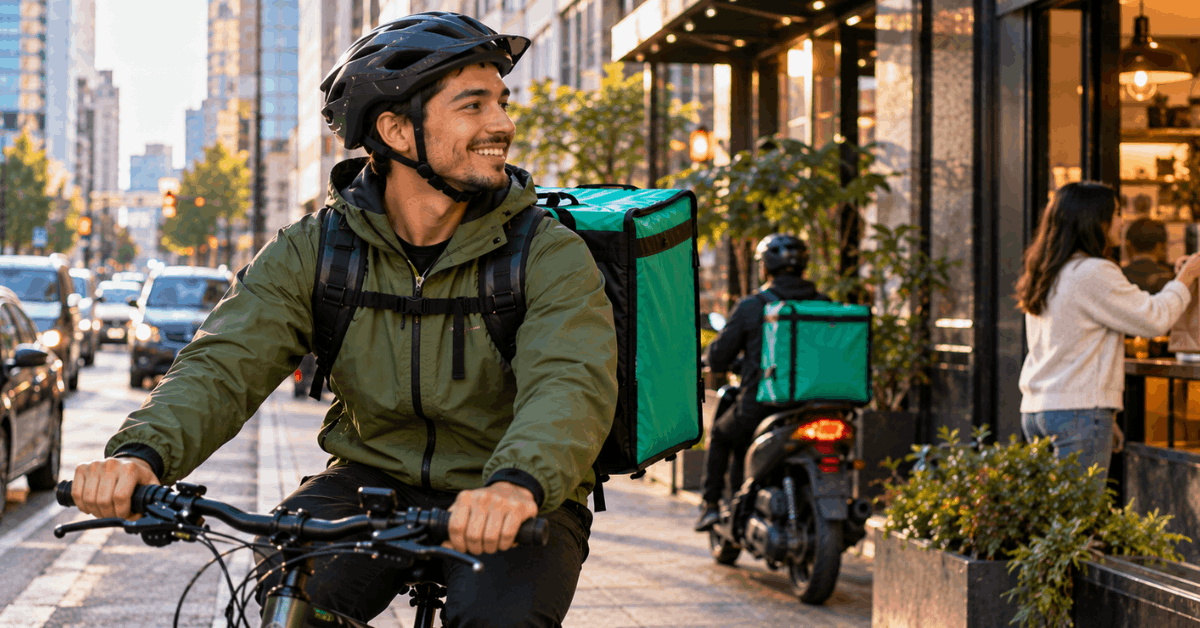
Applicants must meet several basic requirements before delivering. Conditions depend on location and vehicle type, age rules, and applicable local regulations.
Age and Licensing
Age and licensing depend on the delivery method selected. Applicants should check local requirements first.
- Minimum age depends on local rules
- Valid government-issued identification is generally required
- A suitable driver’s license may be needed for motor vehicles
Vehicle Type and Condition
Accepted vehicles depend on local availability. Transport must meet applicable safety, registration, and insurance requirements.
- Bicycle, scooter, or car may be accepted
- Vehicles should be roadworthy and insured where required
- Cars and scooters may need registration documents
Background Screening
Uber may require background screening during application. Checks depend on local laws and delivery method.
- Driving records may be reviewed
- Criminal record checks may apply where permitted
How to Apply for Uber Eats Delivery Jobs
The application follows several standard signup steps through Uber. Requirements vary by region and the delivery method selected.
1. Register Online
Start through the official Uber Eats delivery page or Uber app. Enter the requested personal and location details. Accurate registration details can prevent delays.
2. Choose Your Delivery Method
Select bicycle, scooter, car, or another supported option. Requirements change by vehicle. Choosing the correct method helps provide appropriate document instructions.
3. Submit Required Documents
Uber requests documents based on your location and vehicle. Clear uploads can reduce verification delays.
- Driver’s license or government identification
- Insurance documents when required
- A recent profile photo
4. Consent to a Background Check
Uber may request permission for a background check through an authorized provider. Processing time varies by jurisdiction. Additional documents may occasionally be requested.
5. Wait for Approval
Uber reviews documents and any required screening results. Applicants are usually notified digitally. Missing information can extend the waiting period.
6. Activate Your Account and Download the App
After approval, couriers can access the Uber Driver app. The app may provide orientation and support resources. Reviewing these tools can make the first shift easier.
First Steps After Approval: What New Couriers Should Know
Approval lets you begin, but early preparation can reduce stress. New couriers need time to learn local routines and common pickup patterns.
Familiarize Yourself with the App
Explore the Uber Driver app before accepting orders. Learn maps, alerts, instructions, earnings, and pause controls. Understanding the main features can reduce confusion.
Plan Your First Delivery Shift
Choose a familiar area for your first deliveries. Familiar streets can make navigation and pickups easier. Starting with a manageable area may reduce stress.
Gear and Preparation Essentials
A charged smartphone, mobile data, and secure food storage are important. An insulated bag can help protect food during transport. Reliable delivery equipment can make trips easier.
Tips to Improve Earnings and Satisfaction
Planning may improve delivery efficiency. Earnings still depend on demand, location, timing, expenses, and orders.
Position Yourself in High-Demand Areas
Areas with many restaurants may produce more requests. Staying near restaurant clusters can sometimes reduce waiting. Local demand patterns become clearer with experience.
Work Peak Times
Lunch, dinner, and weekend evenings are often busy periods. Promotions may appear during selected times or locations. Higher demand can create more opportunities, although more couriers may be online.
Maintain Good Communication
Polite communication helps when restaurants are delayed or instructions are unclear. Short updates may reduce confusion when problems occur. Professional communication supports smoother deliveries.
Check Promotions and Challenges
The app may show limited-time promotions in eligible markets. Offers depend on location and eligibility. Checking regularly can reveal available opportunities.
Understanding Payments and Earnings with Uber Eats
The app provides earnings information after deliveries. Income varies with demand, distance, and expenses.
How Pay is Calculated
Payment can include several delivery-related factors depending on market. The exact structure can vary.
- Base or delivery-related payment
- Distance traveled where applicable
- Time or effort in some markets
- Eligible promotions or surge adjustments
Tips and Extra Income
Customers may leave tips through the app where available. Tip amounts vary by customer, city, and season. Because tips are not guaranteed, they should not be treated as fixed income.
Payout Frequency
Payout options differ by country and account. Weekly deposits are common, while faster methods may exist. Some faster payouts can involve fees.
Legal, Insurance, and Tax Considerations
Local rules affect delivery work responsibilities. Couriers should review current tax, insurance, licensing, and safety requirements.
Insurance Needs
Car and scooter couriers may need active vehicle insurance covering delivery use. Some personal policies exclude delivery activity. Confirming coverage can help prevent problems.
Know the Work Status Implications
Courier status varies under local employment rules. Many delivery partners operate independently rather than as traditional employees. This can affect benefits, taxes, expenses, protections, and responsibilities.
Stay Up-to-Date on Local Regulations
Delivery rules and platform policies can change over time. New local standards may appear. Checking official information can reduce surprises.
Platform Features that Support Couriers
The Uber Driver app includes support tools. Features vary by market and may change regularly.
In-App Support and Safety Functions
The app generally provides help resources for delivery problems. Some markets offer additional safety or emergency features. Couriers should learn the available tools beforehand.
Ratings and Reviews
Customers may provide feedback after deliveries. Couriers can use feedback to understand expectations and recurring issues. Maintaining consistent service can support a positive experience.
Conclusion
Uber Eats delivery jobs can provide flexible work for people meeting local requirements. Applicants should understand signup, earnings, expenses, safety, and legal responsibilities.
Learning the app and preparing suitable equipment can make early deliveries easier. Reviewing official local information can help couriers make informed decisions as requirements change.